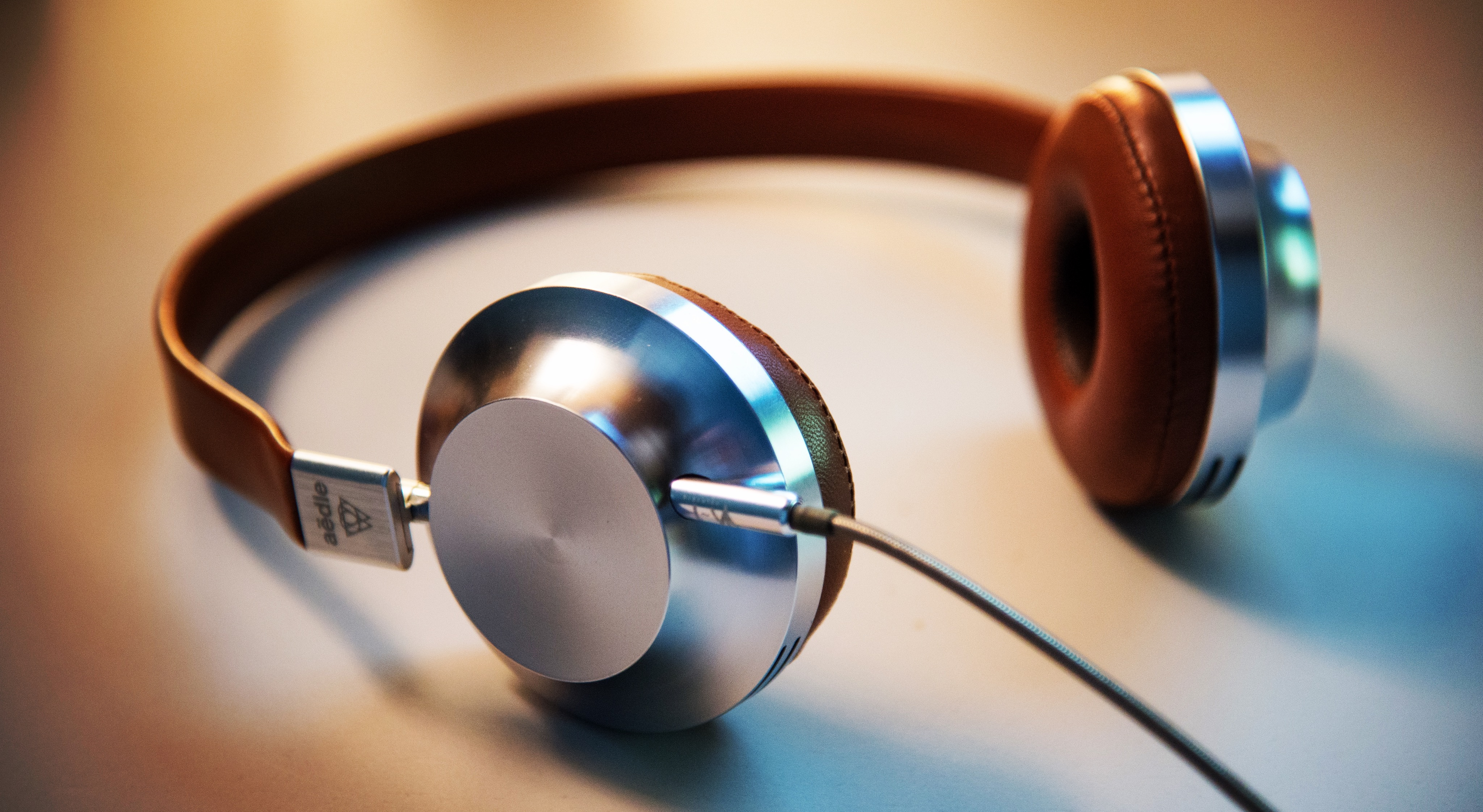
Music, as I once knew it, has left the house. The household is mostly quiet. My mother is in her room at the far end of the apartment most of the time. At other times, she is in her puja room, trying hard to shut out the world and get on a hotline with whomever. The daughter is in her corner, in her own world, browsing, chatting, working, watching. Or just simply making her lists, the compulsive organiser that she is.
The last time I recall music filling the space was some years ago when my wife was around. She had an iPod, but preferred to plug it into the dock and let the music flow, filling every corner with a festive feel, no matter what music sprung forth. We had a dock, a Bose, the only serious indulgence we could think of. It gave us joy each time it came on. There were many who graced the hours – Pink Floyd, Kris Kristofferson, the Beatles, Jagjit Singh, Kumar Gandharva, Kishore, Rafi, Fleetwood Mac, L. Subramaniam, Kitaro, Simon & Garfunkel (how could I forget?), Geeta Dutt, Mukesh, and many others.
Whether it was at the end of a long day at work, a stressful argument at home or a Sunday of cleaning and chores, music was a witness, a participant, a balm. Headphones were never favoured. They create islands of isolation. Headphones threatened a collective rejoicing with an altogether private experience.
Before iPods and MP3s, we had music ‘systems’ – JVS, Sony, Philips. We, like everyone else, spoke about the wattage of the speakers as if we understood it. More power output and bigger speakers were generally regarded as ‘better’, and we silently surveyed the number and size of speakers in the houses we visited. Those that housed bigger speakers also had dim lighting – a combination that set the mood. Of course, the bright lights would come on when the owner would sift through a collection of CDs to choose mood-appropriate music, or the guest’s choice. No CD would play fully because there was always a call for a fresh one on popular demand, or the host would move smoothly to change the music with some soothing words in favour of what he was about to play.
At home, we had a huge collection of music CDs. We were happy to look at them fondly, admiringly, occasionally. We played our regulars and with time, the others were claimed by dust.
By the time CD players became popular, we could afford a second one, exclusively for my mother. That is inaccurate: We could probably afford multiple music players much earlier. I now remember that we had more than one cassette player and a few Walkmans lying in various stages of disuse or disrepair. My mother persevered with her pocket cassette player and her devotional cassettes, reluctant to part with them even when they were unplayable. The headphones (none ever a good fit) helped insulate her from our music and the decibel levels we were accustomed to.
We, the rest, like I said, didn’t take to headphones at all.
I grew up in a place and time where neighbouring houses competed and tuned their radios loud. We had a master blaster, a National Ekco radio that was loud enough to be heard a hundred metres or more away. I knew my father was home if I could hear the radio in the farthest corner of the bungalow we stayed in, or if I was returning home from school or the club, from a considerable distance away.
I first heard Carnatic music because my father listened to it. He didn’t sing but could identify ragas, and we had a contest going between us regularly. I heard Tamil and Hindi film music (much later) on Vividh Bharati, because he regularly tuned in. We listened to the news every night at nine; Surajit Sen, Manohar Kaul or someone else told us what the prime minister had done during the day. There was too, the National Program of Music, serving up classical Hindustani music. Radio sounds permeated the air. My three sisters and I didn’t have any choice but to listen. We cultivated a liking and didn’t complain. My mother was mostly in the kitchen, sadly, and was too busy feeding our large family to care. Mild tussles came later when some of us wanted to listen to Western music and that interfered with my father’s radio routine and tastes.
Enjoying music has been, for the most part, a communal experience. It meant having others to share it with – to pause a song, chat, and replay, if possible, to sing along pretending to be as good or better than the performer, or to quickly ask around for preferences and play a track that meets popular demand. It meant being in a shared collective space while sharing music, going over our favourite parts and switching tracks to match a change in mood as people settled down or conversation shifted.
Today, the only time I hear the radio is when I am in my car. I listen for maybe 30 seconds. The non-stop chatter is annoying. The ‘what machi?’ banter is inane, and the music comes on as a filler. Talk rends the cloistered air. There are phone calls to catch up on. There is social media to attend to. And, an endless stream of music waiting for me to dip into. It is increasingly rare for other occupants in the car to tune into music that is playing. At the first opportunity, everyone dives into the playlists they walk around with.
At home, the television only has the occasional viewer. To think that there were days when it was common to have 15–20 people, including neighbours, cram into a room to peer at a black and white TV beaming Chitrahaar or the weekend serving of a Tamil or Hindi film.
At home, the dock has gone silent for some years now. We no longer watch movies or listen to music together. We discuss them sometimes. Every room has its own screen for personalised viewing. The drawing room is rarely used. We live in our bedrooms. We share recommendations, passwords and links with each other over WhatsApp, Signal or Telegram. We compare notes on our headphones’ performance and whether the next purchase should be in-ear, over-the-ear or bone-conducting, wired or Bluetooth, noise cancelling or adaptive.
The house is quiet. My mother is in her room listening to something shared on Facebook. The daughter is in another room. Headphones plugged in. Noise cancelled. The world shut out.
I think I will listen to Atif Aslam. I loved his singing the first time I heard him and quickly shared it with friends. Facebook, of course. Wohi khuda hai.
Image by Lee Campbell on StockSnap.

Leave a reply