Democracies are messy. They lose their way sometimes and become a sham. Powerful elites work their way directly through electoral processes or otherwise through bankrolling candidates in exchange for favours, and then retain a stranglehold on policy, law, institutions… and people. A hubristic belief in their prowess, popularity or infallibility is often their undoing.
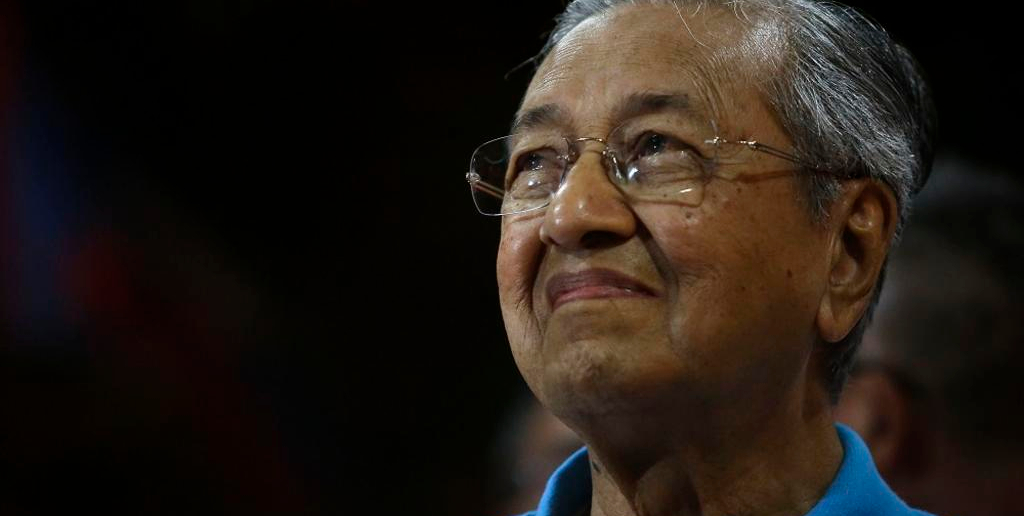
Najib Razak lost his bid to remain in power in Malaysia. The polls this week decisively ruled in favor of change, and the 92-year-old Dr Mahathir Mohamad (Dr M) has come back to head the government one more time.
I received these developments with quiet joy and satisfaction.
The reversal of fortunes for the ruling BN coalition of Najib and the success of the grouping cobbled together under the leadership of Dr M has been welcomed by friends there as a ‘new dawn’, ‘the sun has risen again’, ‘a ray of hope’, and other such expressions ranging from great relief to unrestrained optimism. My heart is with them as they dream of a future that signals a departure from the recent decade of widespread corruption, social divisions and a culture of patronage, police repression and excesses, and a general climate of fear and intimidation.
As the euphoria wears off in the coming days and the celebrations give way to sober reflection, important questions will be pondered over. I hope the following are among them:
What does falling back on the 92-year-old veteran to lead the recently stitched together PH coalition and the new Government say about the stature of leaders in different coalition constituents? Does it betray a collective lack of faith in their coming together, a case of competing visions and plans, personal rivalries or a lack of mutual trust and willingness to submit to the authority of one among them? Does it indicate a willingness to suspend personal ambitions and sink ideological differences in the ‘national interest’ and the urgent task of dislodging the BN coalition and its leader? Dr M may be a tactical choice given that time available to cobble a coalition was limited, and the search for a winnable candidate at the helm would have involved the pangs of deep dialogue, and internal contest that may give out the appearance of fissures and chinks, personal differences and programmatic divergences.
Moving on, it will be necessary for every Malaysian to examine how they got here in the first place: this desperate gasp for freedoms, the choice of self-protection through passive spectator-hood, this state of resignation and hopelessness? When did the slide in the health of the country’s institutions begin and how was it engineered? What of clannish loyalties, naïveté, silent consent and acquiescence, that allowed the politics of divisions and patronage, and authoritarian tendencies to gain ground?
It is hard to imagine that Dr M played no part in this. Since when and how did it become possible, even commonplace and acceptable for people who became inconvenient to the ruling dispensation to face swift removals, forced disappearances and in some instances, even a violent end?
My Malaysian friends will I hope be asking how they are complicit over the years in facilitating the conditions of their prolonged distress? While their unbounded joy today tells me of the silent suffering they have endured till now, getting to how they were part of the problem is essential knowledge, as they collectively seek to author a new chapter of nation building and personal responsibility and transformation.
This new government carries the weight of massive expectations, and collective impatience. While relief, generally speaking, can be offered and unpopular decisions rescinded rather quickly, the task of restoring faith in institutions is likely to be more long drawn and painstaking. It needs to demonstrate that it governs on behalf of, and in the service of all Malaysians, regardless of race, religion or region. Even as people revel in their renewed sense of freedom, the rule of law must draw the line on license. The polls have done much to instil pride among Malaysians, as a people, as a nation. The challenge that lies ahead is to leverage this, underline self-belief, harness talent and realise its immense potential. The PH alliance will have squandered a golden opportunity to steer the nation to greatness if its policies and practice fails to do so.
Of personal interest is, of course, how the new government deals with the search for MH370. As members of the Opposition, many of them have been sympathetic to the MH370 families concerns and have repeatedly demonstrated their solidarity. I expect that this will continue.
I wish that this Government brings a more humane approach in its dealings with families and accords the status merited by Voice370 as the Family Association of families of passengers on MH370. I expect that the Government will adopt a more proactive, consultative stance vis-à-vis the families, be accessible and communicate more regularly with families. In good time, it will be a fine gesture if the government owns up mistakes made.
It may be too much to expect that the Government will make public any and every bit of information in its possession regarding MH370. It has long been rumoured too that most records related to the aircraft, ground ops, and the flight on that fateful night were removed (and destroyed?). If true, I expect that the Government will act against the actors, and those who aided and abetted the crime. If not true, I would like to see this Government get past bureaucratic stall tactics and make public as much information as it can without compromising the investigation.
Ultimately, as a family member of a missing passenger, all that matters are compassion, dignity and respect, regular communication, transparency, consultations, and above all an unsparing commitment to the truth. It is my hope that the past Government’s habit of dealing with MH370 families at arm’s length will be replaced by a more welcoming and empathetic engagement.
Image from TodayOnline.
This article originally appeared on my Facebook page.
Leave a reply