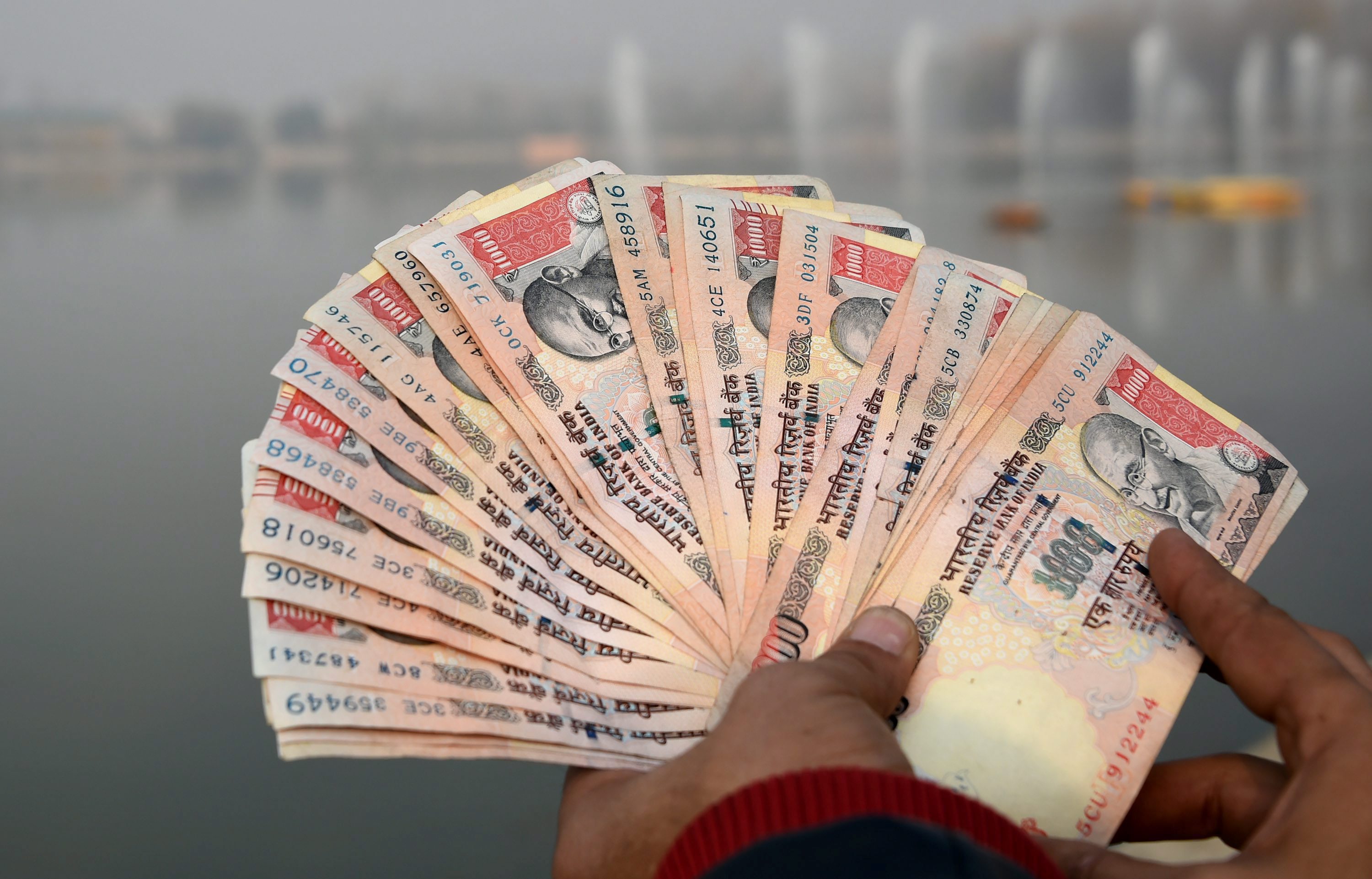
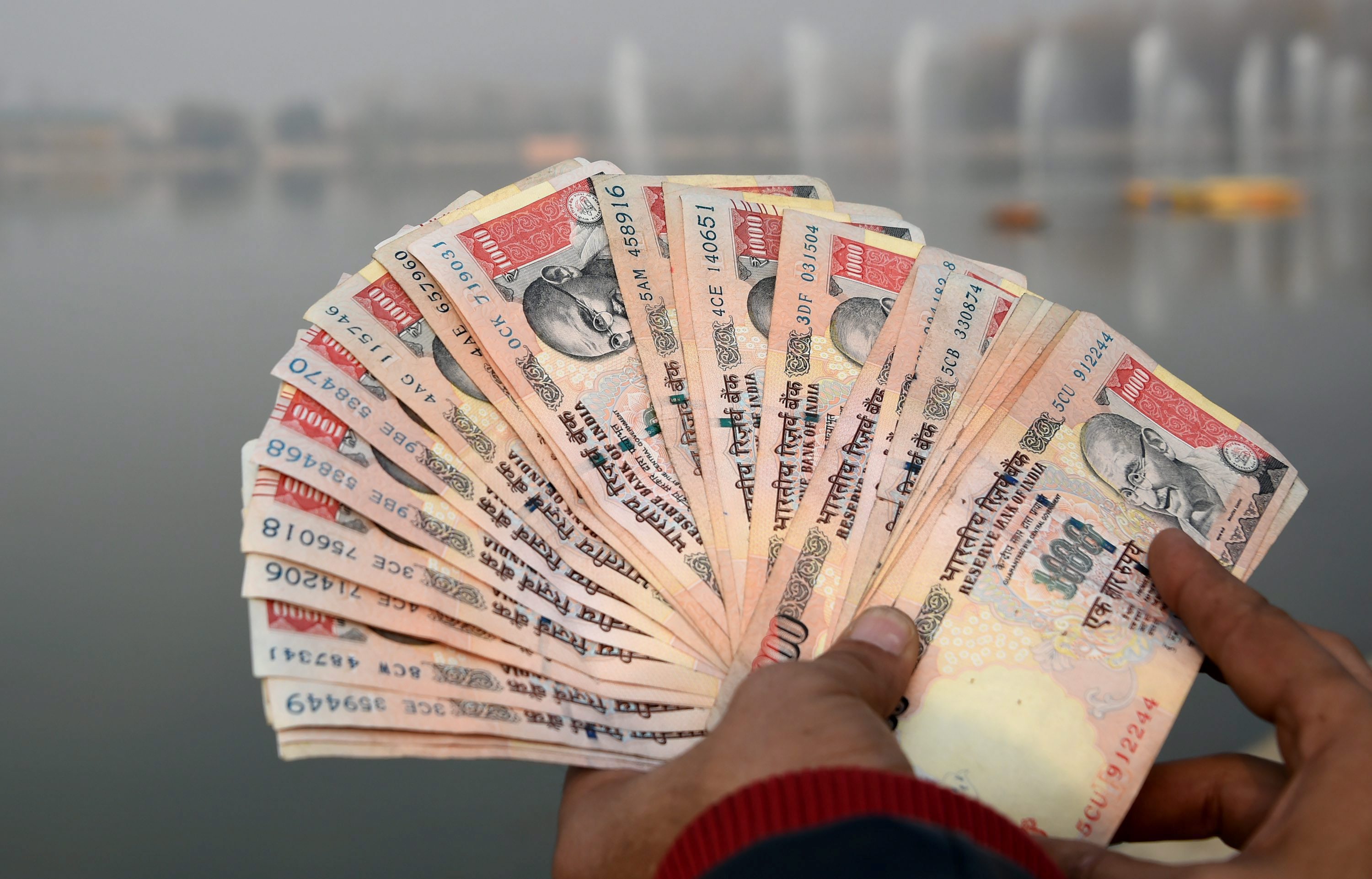
It is now close to two weeks since access to our own money was regulated, replaced, restricted. We were exhorted to grin and bear it in the ‘national interest’ and by some steps removed, in our own interest. We were having our variation of ‘drain the swamp’ and the votaries / attack dogs in social media and elsewhere made sure that the operation was conducted without too much protest. So we are a nation polarised on the merits of demonetisation, but stoically suffering in unison. We have felt very good that along with the the aches and churn that accompanied this grand national cleansing came kudos for our resilience and a very Indian capacity to find peace and acceptance irregardless of inconvenience.
Perhaps the inspiration for such grand sweeping moves comes from the Kumbh mela – that once, every few years, we can as a nation purge ourselves of the corrupt, the unsavoury, the sinister, and the selfish within us. A collective act of mea culpa for our deliverance. We need our Gods who must be deified and in whose name all suffering is promised an edifying end.
It is said that for the believer, no evidence in support of a view is needed, and for the non-believer, no evidence is sufficient to be persuaded. Much has been said about the merits or folly of demonetisation. I believe that it will have some favorable impact on the economy, and a very temporary restraining effect on consumption, greed, and hoarding. Adverse circumstances in the midst of temporary middle-class poverty have brought out many ‘good samaritan’ and exemplary ‘mutual help’ stories. But I doubt that it has made a dent at a fundamental level on certain propensities that have created a parallel economy of gargantuan proportions in the first place.
My thoughts went back to the roused collective consciousness against corruption just a few years ago during the movement led by Anna Hazare. The nation was stirred and for a brief while, it seemed people were restored a belief that it is time for them to act individually with honesty, and collectively through institutions such as the Lokpal and the Citizen’s charter, a belief that the will of people can and will be translated into direct personal ownership and responsibility for probity in all affairs. Sadly, one doesn’t see this in the present context.
The humongous machinery of the government has been outsourced the task of dredging ill-gotten wealth. People have taken on being the vigilantes and cheer-leaders on behalf of the government, or silent sufferers / murmuring victims moaning the injustice inherent in the rich remaining well-fed and well-ensconced.
I doubt that we will be rid of the scourge of corruption as long as we just don’t like paying taxes, and as long as we unabashedly flaunt our status, resources, and privileges of birth, class, education, or employment to jump the queue, pay to pave the way to fast-track our particular requirement, escape obligations, or circumvent the law. As long as “I, me, and my rules” prevails to the exclusion of others, the forces of accumulation and self-aggrandisement will trigger corrupting, self-serving deals. As long as there is no will to enforce the law, its selective and discretionary application will continue to feed the frenzy for exception at a price. As long as gross inequality stares in the face, and a long list of investigations and prosecution of the wealthy languish for years, anti-corruption campaigns will appear gimmicky, temporary in effect, aggravate cynicism and encourage more to become clever at dodging the law, and for the hardened crooks to raise their game.
While I see many apologists today gloat over the ‘success’ of the current demonetisation drive, give me my Anna Hazare moment any day. In that, I saw hope.
Image from Cornell Policy Review.
This post originally appeared on my Facebook page.
Leave a reply